The Banana Test: How to Stop Overthinking Every Small Decision
A man spent 20 minutes choosing bananas at Costco, and I realized I was him. This is the psychology of decision paralysis, and the simple rule that helped me stop optimizing everything.
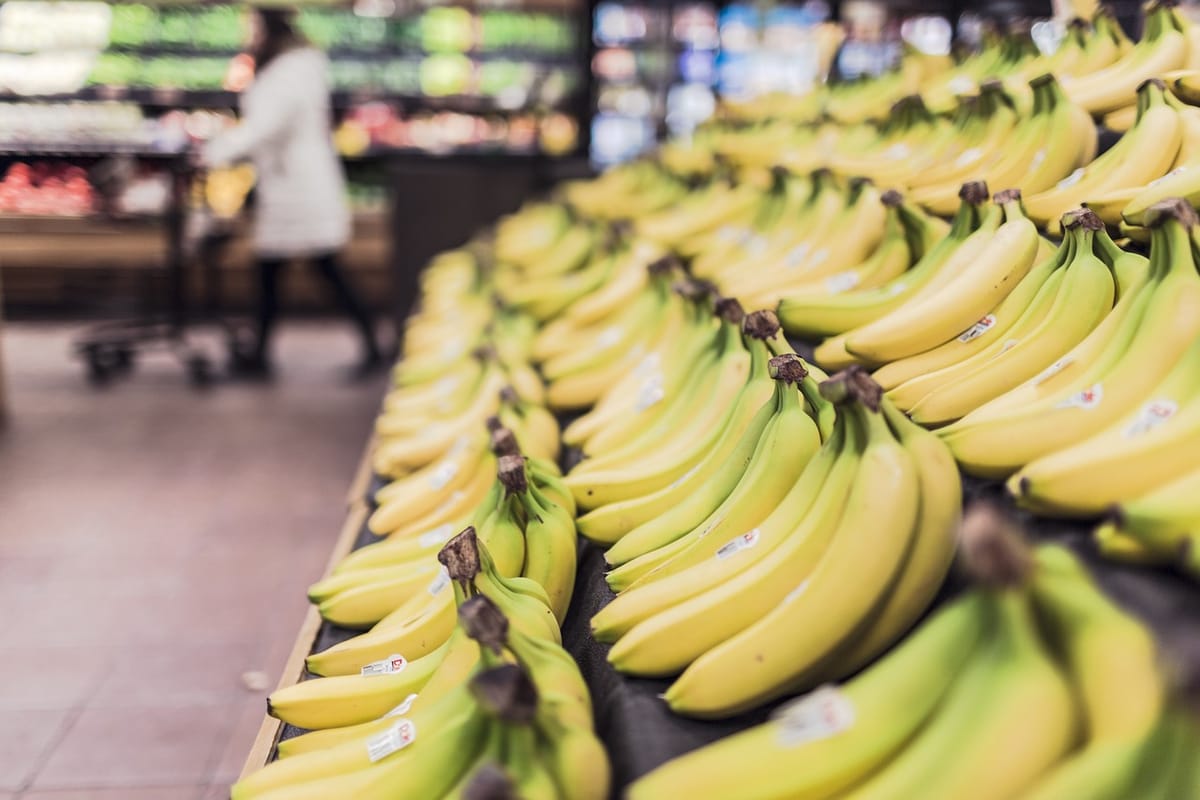
The Man, The Bananas, and The Existential Crisis in Aisle 7
How one Saturday morning at Costco run became a psychological lesson.
I'm weaving through the chaos with my oversized cart, feeling like Frodo far from the Shire, navigating a land of free sample stations that turn suburban folks into Gollum fighting over pizza rolls, when I unintentionally bump into someone at the banana stand.
A man. Mid-forties. Holding three bunches of bananas like it's the One Ring. He's poking at others on the display. Squeezing. Rotating them under the fluorescent lights as if checking for an Elvish script - where's Gandalf when we need him!
Anyhow, I grab a bunch, not too yellow, not too green, no visible trauma, and move on.
Ten minutes later, I circle back.
He's still there.
Same spot. Same three bunches. Now nervously shifting from left to right, eyes darting between banana clusters like he's now defusing a bomb. The world has stopped for this man. In his personal time bubble, there is only one question that matters:
Which bananas do I pick?
And that's when it hit me.
I was that man.
Not about bananas, necessarily, but about a thousand other decisions I've turned into full-blown identity crises. Decision paralysis in its purest, most absurd form.
This is how I stopped being that guy.
The Hidden Cost of "Just One More Option"

We love options. More choices mean more freedom. More control. Better outcomes. That's what we believe, but is it true?
The Paradox of Choice (Barry Schwartz in Plain English)
In his book The Paradox of Choice, Schwartz presents an uncomfortable truth: that an abundance of options often doesn't liberate us, it exhausts us. He explains that every added choice increases our cognitive load, raises our expectations, and amplifies our potential for regret.
We blame ourselves.
That's how bananas become an existential crisis.
And it's not just produce. It's everything:
- Which productivity app will finally fix me?
- Which career path is optimal?
- Which self-help article should I read first to become slightly less anxious about reading self-help articles?
The modern world doesn't just ask us to decide. It demands we optimize, justify, and never, ever regret.
Well, science says that your brain wasn't built for that.
If you like deep dives into creative chaos, productivity under pressure, and nerdy lessons from real-life experiments, subscribe to get future posts delivered right to your inbox. Subscribe Now
Why Your Brain Freezes Instead of Choosing
The 3 Forces Behind Decision Paralysis
- Too many comparable options (they all look fine)
- High perceived stakes (even when they're totally fake)
- Fear of future regret (what if I pick wrong?)
Nobel Prize-winning psychologist Daniel Kahneman discovered that our brains hate losses more than they enjoy wins. The pain of choosing the wrong banana feels bigger than the pleasure of selecting a good one.
So the brain does what any rational system would do when overwhelmed:
It stalls. It waits. It loops and it pretends that thinking longer will magically reveal the "correct" answer.
Spoiler: It won't.
The Optimization Trap (Or: How Smart People Get Stuck)
Here's the uncomfortable part.
Decision paralysis disproportionately affects people who are:
- Intelligent
- Conscientious
- Trying to do things right
In other words, people like you. (And me. And Banana Guy.)
Maximizers vs. Satisficers
Schwartz identifies two types of decision-makers:
Maximizers want the best possible option. They research endlessly, second-guess constantly, and feel less satisfied even when they objectively choose better.
Satisficers want an option that's good enough. They grab the bananas, make breakfast, and move on with their lives.
Guess who's happier?
Yeah.
What Actually Works (According to Actual Psychology)
Good news: Decision paralysis isn't cured by thinking harder. It's cured by changing the rules of the game.
1. Decide how you'll decide, before you decide
Set constraints upfront:
- "I'll choose in under 10 seconds."
- "I'll pick the first acceptable option."
- "Yellow-ish bananas. No visible bruises. Done."
Because rules reduce cognitive load, and your brain relaxes when it knows the decision has an endpoint.
2. Lower the stakes (most decisions are reversible)
This is a form of what psychologists call catastrophizing, inflating a minor event into a major one. In the context of choice, it means treating small, reversible decisions like permanent, identity-defining statements.
They're not.
Bad bananas don't ruin lives. Bad blog posts don't end careers. Poor choices usually just teach you faster than good ones.
3. Optimize for progress, not perfection
Applying Kahneman's research on cognitive systems, we can see that for low-stakes decisions, the drive for perfect correctness is often counterproductive. The mental energy spent on overthinking typically costs more than the benefit of a marginally "better" choice.
Movement beats mastery.
Action beats rumination.
Choosing beats waiting.
The Banana Rule (My Personal Fix)
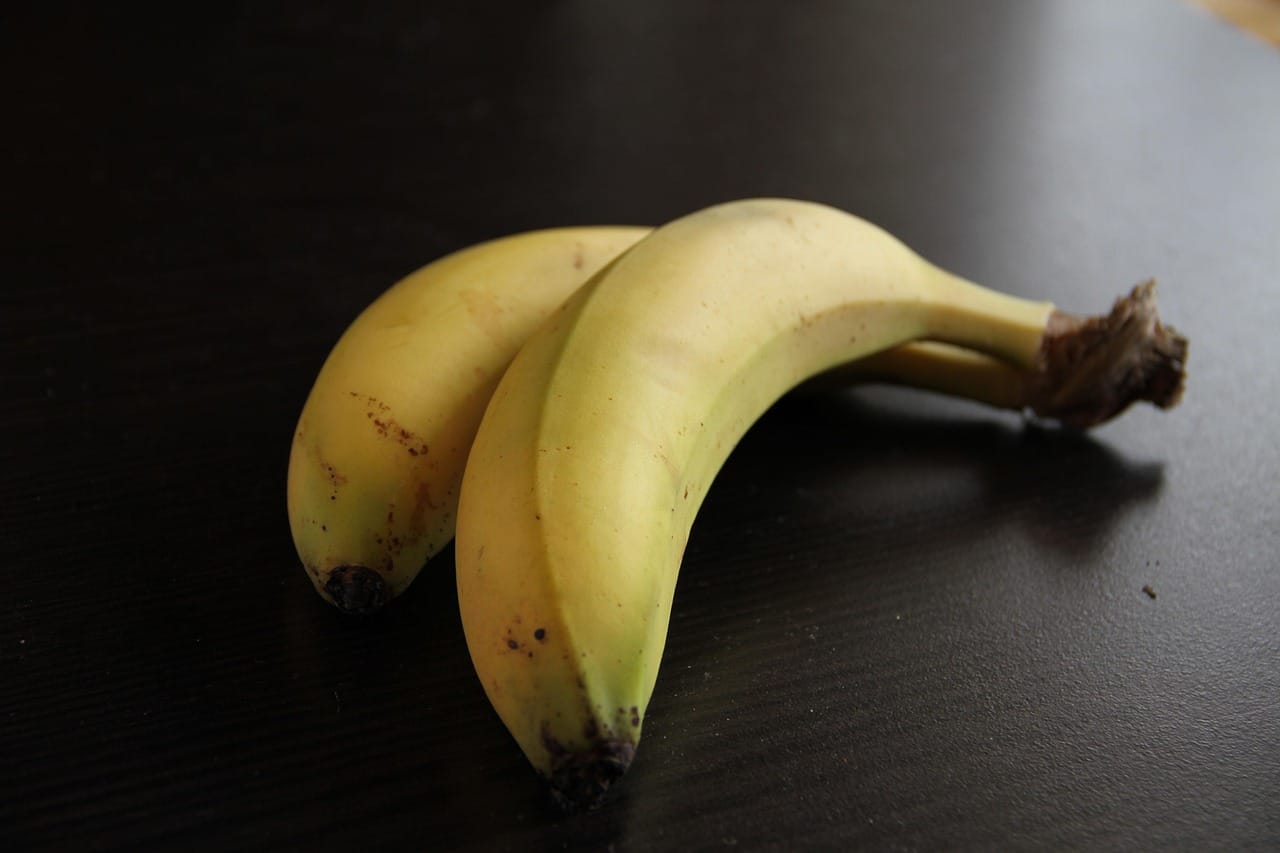
Here's what I do now when I catch myself stuck on a trivial decision, I ask:
"If this went slightly wrong, would Future Me even remember?"
If the answer is no, I choose immediately.
Grab. Move. Continue living.
Because the real cost of indecision isn't the wrong banana.
It's the time, energy, and attention you quietly bleed while standing still.
Final Thought: Choose the Bananas
Decision paralysis isn't laziness.
It's a side effect of caring in a world that asks you to care about everything.
So choose the bananas.
Write the imperfect draft.
Send the email.
Your life doesn't improve from flawless decisions.
It improves from decisions made.
And yes, I grabbed the yellow ones with a bit of green and Future Me really doesn't give a hoot about that slightly green banana.
Choose the bananas, Stay decisive. Stay nerdy.
- Ed Nite
If you like deep dives into creative chaos, productivity under pressure, and nerdy lessons from real-life experiments, subscribe to get future posts delivered right to your inbox. Subscribe Now