The Dogs Who Taught Me How to Live in the Present
My phone died mid-walk, and my dogs reminded me what productivity culture steals: your ability to be here. A story about grief, attention, and a 30-second reset that makes life feel like life again.
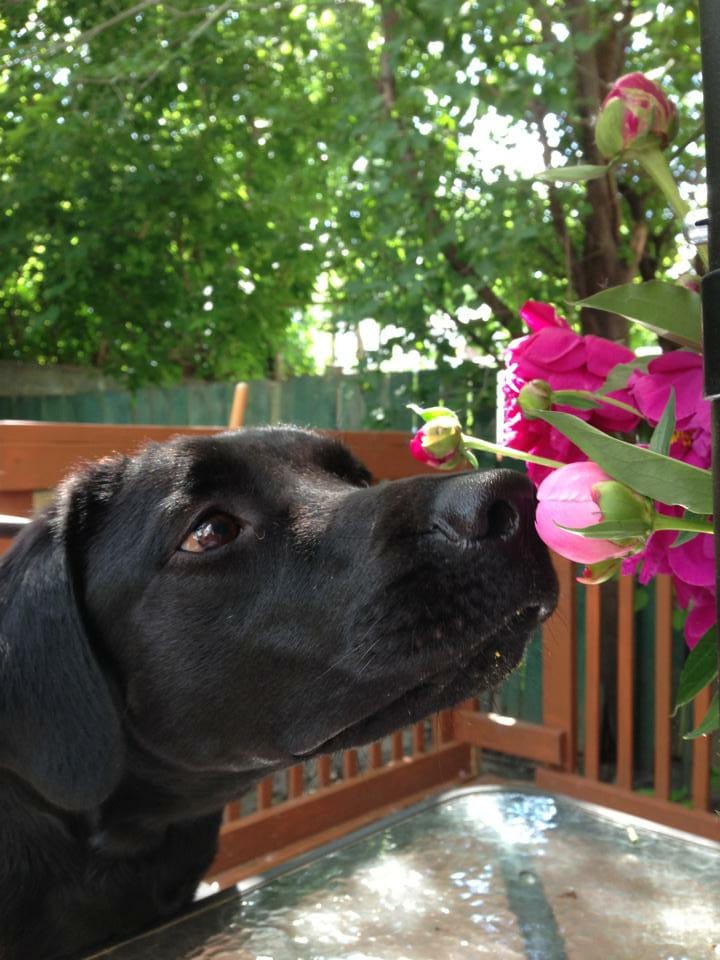
My phone died on a cold winter afternoon.
Not dramatically, just the slow drain of a battery that had been hanging on by 3% for the last mile of our walk. The screen went black mid-scroll, and suddenly I was standing on a residential street corner with my dog Merlin, no audiobook in my ears, no email to check, no pocket-sized escape hatch from the present moment.
Attention Withdrawal: When Silence Feels Uncomfortable
Just me. The dog. And the uncomfortable realization that I had no idea what to do with my own attention. So, I began observing my surroundings. Like someone who'd just arrived somewhere instead of someone passing through on the way to somewhere better.
There was a tree I'd walked past two hundred times that I'd never actually seen. The air smelled like wood smoke and frozen mist. Merlin was sniffing a patch of frost like it contained the secrets of the universe, or at least evidence of his arch-nemesis, the neighbor's border collie.
The Productivity Trap: When Efficiency Replaces Living
Then it hit me: When did I stop being here?
Not just on dog walks. Here. In my life.
Here's what I'd been doing for years without noticing it: treating life like a reward I'd earn once I finished everything else.
Public Goals, Private Pressure: Why Accountability Works (and Burns)
My days ran on a simple algorithm: accomplish, optimize, move forward. Check the box, ship the thing, become the person who "does it."
When I published my goals publicly, my 2026 list being the kind of ambition that would make future me file a complaint, I did it because public pressure works. It's gasoline. It gets shit done.
And if you're anything like me, you'll feel it immediately: you grind, you produce, you rack up checkmarks like you're trying to win Employee of the Month in your own life.
The Productivity Hamster Wheel
But there's a cost nobody talks about in the productivity literature:
You can become so efficient at moving through your life that you forget you're supposed to be living it. I didn't notice this was happening. From the hamster's perspective, the wheel looks like progress, you're going somewhere. Unfortunately, I was that hamster for too many years.
I realized this because my dogs made me stop.
Their Whole Life Was Now
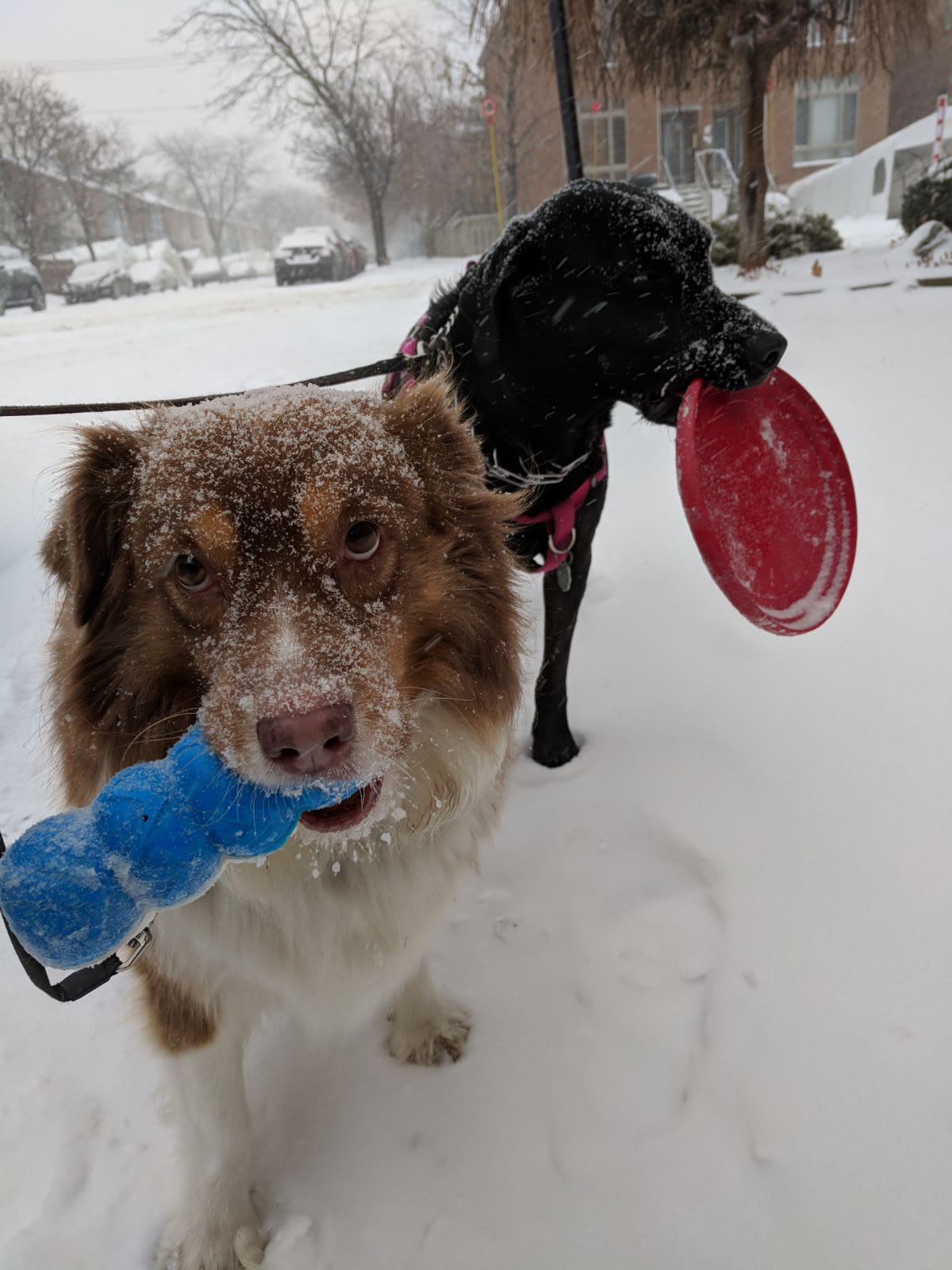
Merlin and Nora, my two best friends, both gone now, didn't have morning kickoff meetings. They didn't set quarterly goals. They didn't postpone joy until the conditions were right.
They lived like every walk was the main event.
Every smell mattered. Every sound. Every shift in the wind. They weren't "being mindful." They were just... there. Fully. Completely. Without negotiation.
And I started to realize they weren't just asking for walks for their sake. They were teaching me something I'd forgotten.
Seneca’s Warning: We Don’t Run Out of Time, We Hand It Away
The Roman Stoic Seneca, who spent his life watching influential people waste their days chasing power, wrote something that punched me in the chest when I finally understood it:
"It is not that we have a short time to live, but that we waste a lot of it."
He wasn't talking about bad time management. He was talking about how we guard our money, protect our property, defend our boundaries... and then hand our days away like free samples at Costco.
We postpone rest until the work is done.
We postpone joy until things calm down.
We postpone living until we "deserve it."
But life doesn't wait for your inbox to hit zero.
My dogs never postponed anything. A walk was happening now. The world was fascinating now. Joy wasn't conditional on completion.
And they were trying to show me I was living like none of that mattered.
When Grief Makes the Lesson Unavoidable
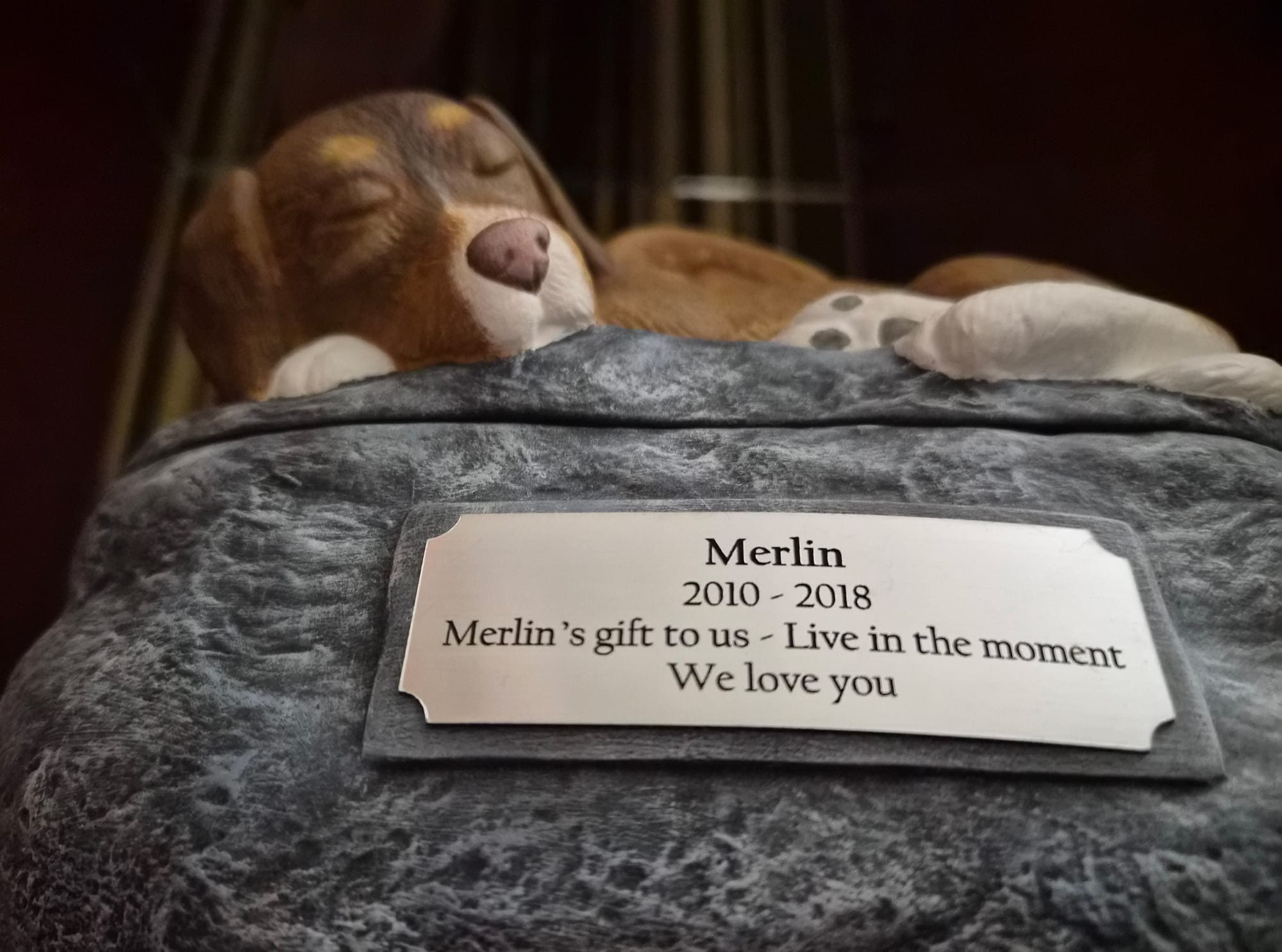
Merlin died first. Suddenly. No warning.
One day, he was fine. The next day, he wasn't. And then he was gone.
Nora followed years later, but the grief felt identical: like a piece of my soul got torn away, and the edges would never seal properly.
In the fog of loss, one memory kept surfacing: all those walks where I'd been physically there but mentally elsewhere. Answering emails in my head. Planning the next thing. Treating the walk like a task to complete rather than forty minutes of life actually happening.
I'd been given thousands of opportunities to simply enjoy the moment.
And I'd missed so many of them, distracted, rushing, treating each walk like another item on my to-do list instead of what it actually was: time with someone I loved.
That wasn't regret. It was clarity.
I was doing the same thing with everything else. My work. My family. My own life. I was managing time instead of inhabiting it.
The People Still Here
My wife. My sister. My friends. Every person whose presence I take for granted because they're "always there."
Except they're not always there. They're there right now. And right now has an expiration date I can't see.
At every dinner where I'm half-present, I mentally review my to-do list. Every conversation where I'm drafting my response instead of actually listening. Every moment I postpone real connection because I'm "too busy."
I'm not just losing my own time. I'm losing their time. Time with them. The specific, irreplaceable texture of who they are right now, in this season of their lives.
My dogs are gone, but the people I love are still here.
And the question that haunts me now is:
Am I actually with them when I'm with them?
Or am I doing what I did on those walks, physically present but mentally elsewhere, treating the moment like a task to complete on my way to somewhere more important?
Why Time Feels Like It's Accelerating
There's research on this that explains what's happening.
When you're on autopilot, moving through your day on habit and momentum, your brain doesn't encode detailed memories. Time passes in chunks. Weeks blur together. By December, you think,
Where did the year go?
Your perception of time is tied to the density of your memories. When you're paying attention, actually present, noticing details, engaging your senses, your brain creates richer, more detailed memories. Time feels longer because you're actually experiencing it.
When you're on autopilot, your brain treats it like driving a familiar route. No need to remember. It didn't matter.
That's why childhood feels infinite, and adulthood accelerates.
It's not that time speeds up. It's that we stop paying attention.
We spend our days half-present, scrolling through moments as if they're content to consume, and then we wonder why our lives feel like they're disappearing.
And here's the cruel part: the productivity culture that promises to give you more time is often the thing stealing your ability to experience the time you have.
Those dog walks were supposed to be "just another task." Empty the dishwasher. Reply to emails. Walk the dog.
But my dogs knew better.
They weren't insisting on walks for exercise. They were insisting I stop managing my life long enough to actually show up for it.
If you like deep dives into creative chaos, productivity under pressure, and nerdy lessons from real-life experiments, subscribe to get future posts delivered right to your inbox. Subscribe Now
The 30-Second Stop
After Merlin died, I started experimenting with something that felt almost comically simple.
At some point each day, I stop what I'm doing and deliberately do nothing for thirty seconds.
Not meditate. Not "be mindful." Not perform for an audience. Just stop.
I look around like I'm seeing my life for the first time. I take one slow breath. I notice one detail I usually miss: sound, light, texture, and temperature.
I let my body catch up to my mind.
That's it.
No app. No timer. No enlightenment. Just a tiny interruption in the machine of my day.
And here's what's been happening when I actually remember to do this:
Days feel longer, not tediously, but in a there's actually space here way.
That constant low-level hum of urgency? It has an off switch. Even thirty seconds is enough to find it.
I remember my days now. Not perfectly, but distinctly. They don't blur together like they used to.
But the real shift, the one I didn't expect: I stopped treating my life like a rehearsal. I stopped living like the good part comes later, after I've achieved enough, earned enough, optimized enough.
Marcus Aurelius, emperor, soldier, Stoic, and probably the busiest man in Rome, kept a private journal in which he reminded himself:
"Do not let the future trouble you... concentrate on the present step."
Not because the future doesn't matter. But because the future is the one place you can never actually stand.
You can plan. You can prepare. But you can't live there.
You can only live here.
When the Lesson Came Back
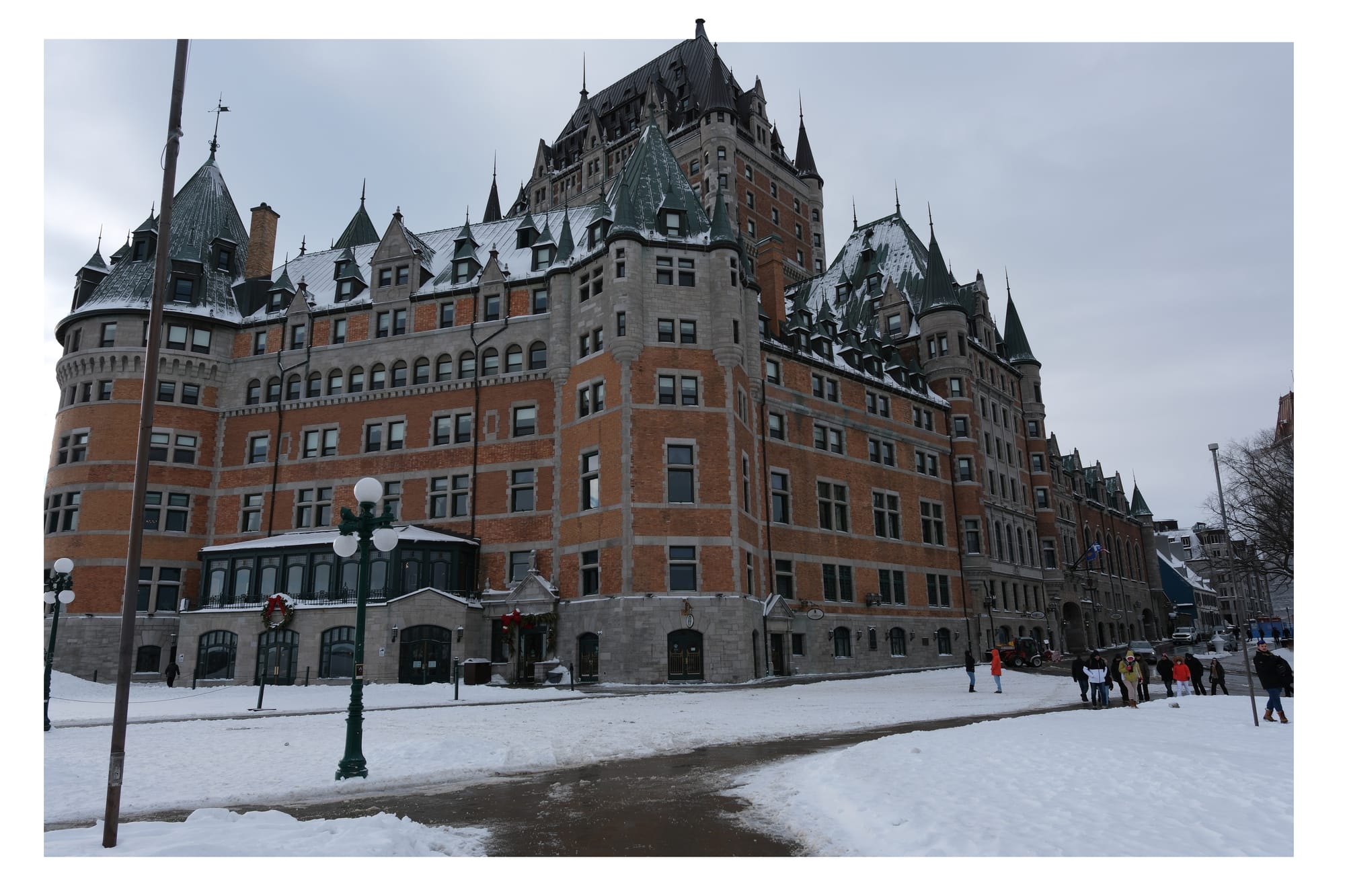
This past weekend, my wife and I took a short trip. A "reset" weekend where I told myself I wasn't working.
Then my phone slid into some technical purgatory: the VPN stopped working, and everything went offline.
And in the space where my phone usually sits in my hand like a nervous habit, I had something else: my camera.
Not a phone camera. A real one. A camera that doesn't buzz or demand replies. A camera that says: Look. Don't respond.
I ended up in a small plaza, stone underfoot, buildings old enough to make you feel small in a comforting way. And I just stood there.
It was below zero. There were no flowers. Everything was white and quiet, as if the world had hit mute.
And I did the thing: I stopped.
I took a deep breath of cold air while light snow tapped my face like the universe was trying to get my attention.
And for thirty seconds, maybe a whole minute, something shifted. The noise cut out. My nervous system exhaled. Time, for once, wasn't chasing me with a clipboard.
And I felt it, quiet and unmistakable: Merlin and Nora, pulling me back like they always did.
Stop. Look around. This is it. This is life.
What I'm Still Learning
You're going to die someday. So is everyone you love.
I don't say that to be morbid. I say it because it's true, and we live like it isn't.
We live like we have infinite time to "get around to" presence. To joy. To actually be where we are with the people who matter.
We don't.
The cruelest trick is that we think we're too busy to stop, when stopping is the only thing that gives us our time back.
Not on the clock. On the inside.
So here's what I'm proposing, not as someone who has this figured out, but as someone still learning it:
Today, literally today, stop for thirty seconds and do nothing.
Look around like you're seeing your life for the first time. Take one slow breath. Notice one detail you usually miss. Let your body catch up to your mind.
If there are flowers, smell them. If there aren't, smell the air anyway.
And if someone you love is in the room with you? Look at them. Actually look. Notice something about them you usually miss, the way they tilt their head when they're thinking, the specific tone of their laugh, the fact that they're here, right now, and so are you.
If they're not in the room? Call them.
Not to catch up on logistics or coordinate schedules. Just to hear their voice. To ask how they actually are, and then listen to the answer like it matters.
Because it does matter.
That conversation won't be available forever.
The point isn't flowers, phone calls, or any single gesture.
The point is that you were here. Fully. Even if just for thirty seconds.
With yourself. With the people you love. With this life that's happening right now, while you're planning for later.
My dogs taught me that.
I'm still learning it.
Ed Nite