My 2025 Reading List: The Source Code Edition
In 2024 I optimized everything. In 2025 I started asking what I was optimizing for. Here are the books I kept orbiting as I debugged the source code.

Why this reading list exists
As the year is wrapping up, what better time to share my 2025 reading list, the books I keep coming back to.
Tuning the machine
If you reviewed my 2024 reading list, you would think that I was trying to upload my consciousness directly into a productivity app.
Ten-X Performance. The Anti-Procrastination Playbook. Atomic Habits 2.0: Now with subatomic particles. Every title promised a faster, sharper, more optimized version of me. I ate it up. And to be fair, it worked, sort of. My systems got tighter.
Did it help? Absolutely.
I definitely was optimizing myself, but I fell short of knowing what I was optimizing for.
The hacks weren't solving a problem; they were covering up their absence. I was building increasingly sophisticated machinery around a question I refused to ask: What am I actually trying to become?
Debugging the operator
Then 2025 happened.
I didn't plan for change, but I did.
I chased my passions and brought them to life. It started one Tuesday evening, reaching past the latest "game-changing" methodology and dusting off a copy of Marcus Aurelius from my bookshelf. Then Homer. Then, because my brain apparently thrives on chaos, I even fell down the Sumerian rabbit hole at 6 a.m. and didn't climb out for weeks.
As a result, I launched MindTheNerd.com as a public lab notebook from my productivity experiments to ancient wisdom. If you search my past blog articles, you can watch the trajectory change in real time. The hacks and templates slowly gave way to Stoic quotes, scenes from The Odyssey, and frustrated, fascinated notes about 4,000-year-old grammar.
The shift wasn't from success to failure. It was from instrument to purpose.
2024 was about tuning the machine.
2025 has been about debugging the source code of the person operating it.
These aren’t books I finished, they’re books I lived with
This reading list isn't just twelve books I read. It's twelve books I lived with. They orbit my desk, my thoughts, and my year.
Part 1: My Current Obsession
Learning the Oldest Code
This book is the engine behind my obsession with "learning Sumerian for no practical reason", phase. It is less about productivity and more about scratching a primal itch: What did the first humans actually write about?
1) Learn to Read Ancient Sumerian: An Introduction for Complete Beginners
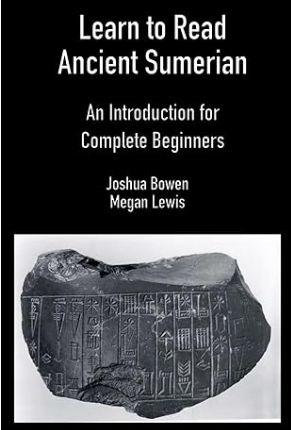
The book walks you through grammar and signs. It's dry and hard at times, until you remember these squiggles are 4,000-year-old receipts, love poems, and prayers; the world's first bureaucracy, frozen in clay.
I don't "read" it so much as I learn from it. A sign here, a line there. It's a slow-burn relationship with humanity's oldest spreadsheet.
You don't need Sumerian. But choosing one difficult, nerdy, "zero ROI" thing to study stretches parts of your mind that no productivity hack ever touches. It reminded me that not everything needs to optimize toward a goal. Some things exist to complicate you, in valuable ways.
2) The Ark Before Noah: Decoding the Story of the Flood - Irving Finkel
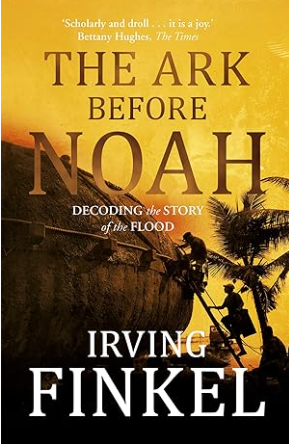
This book complements my fixation with Sumerian history, as this is the drama behind the grammar: gods, floods, heroes, stories recorded centuries before the Greeks or the Hebrews put pen to papyrus.
Part detective story, part scholarship, this book connects Mesopotamian flood stories to the biblical Noah and calmly dismantles the myth of the "original."
It is creatively liberating. Stories are remixes. They travel, mutate, and endure. The fear of being "unoriginal" fades fast when you realize even Genesis was riffing on older stories.
Part 2: Lifelong Projects
These are books that I'll still be reading at 80. These aren't books to finish, they're worlds to return to, each visit revealing something new.
3) The Odyssey - Homer
Odysseus spends a decade trying to get home. Every island is a new delay, a new temptation to quit. What hit me this year is that he's not just fighting monsters, he's fighting the urge to stay shipwrecked.
4) The Collected Dialogues of Plato
The Socratic method, weaponized.
Socrates doesn't discuss concepts; he pokes at justice, courage, and love until your assumptions bleed. I don't read these dialogues. I endure them.
A word of caution, a few pages of The Apology can haunt a weekend. You sit down knowing what "virtue" is, and twenty pages later, you're not sure why you got out of bed. It gets you thinking about your deepest convictions and whether you've ever really examined them.
5) Aristotle: The Complete Works
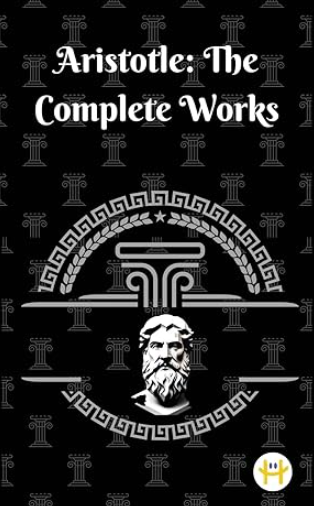
If Plato is the question, Aristotle is the architect of the answer.
I visit Aristotle when the calm of careful thought. Even when he's wrong, he's wrong systematically. In a year where I felt like I was dismantling my own operating system, Aristotle reminded me of something simple: rebuilding is possible.
Part 3: Comfort Orbits - Stories I Hide In When Life Gets Loud
These are my reset buttons. Not escapes, recalibrations.
6) Don Quixote - Miguel de Cervantes
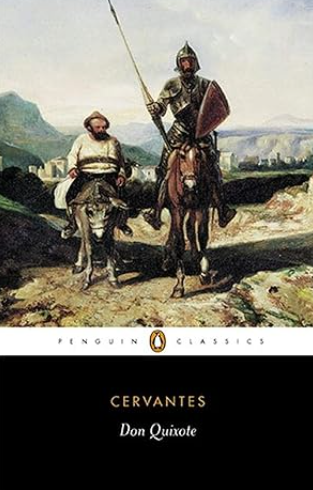
A deluded knight, a pragmatic squire, and a world that can't decide whether to laugh or weep at them.
I return to Quixote when I need to remember that "being realistic" is often just surrender dressed up as wisdom. His madness is a kind of fidelity, a tragic, glorious refusal to accept the world's insistence that nobility is naïve and adventure is for children.
Sancho keeps trying to talk sense into him. The world keeps trying to cure him. And Quixote keeps tilting at windmills because the alternative, accepting the world is only what it appears to be, would be the greater madness.
7) The Order of Time - Carlo Rovelli
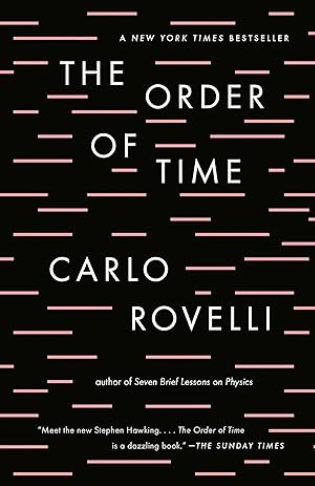
This book gently dismantles the tyranny of the clock. Rovelli explains there is no universal "now." Time flows differently here than there. At the deepest level, reality doesn't resemble our Google Calendar.
After reading this book the pressure to "always be productive" starts to look like something that doesn't exist in the way you think it does.
8) The Buried - Peter Hessler
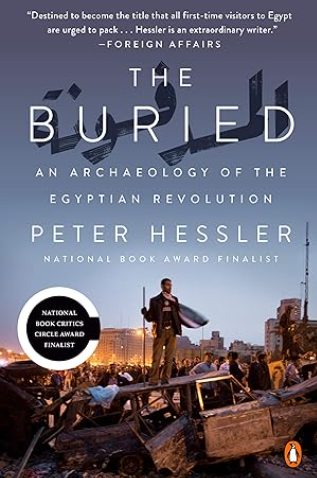
This book on modern Egypt, woven with archaeology, politics, and the life of a garbage collector, carries me into a landscape I had always dreamed of visiting.
Hessler moves between past and present until they feel like the same story. Ancient tombs and contemporary Cairo bleed into each other. What looks like chaos has layers. What looks random has roots going back millennia.
I read it when I'm stuck inside the tunnel vision of my own concerns. It's a masterclass in grounded, subversive curiosity.
9) Letters from a Stoic - Seneca
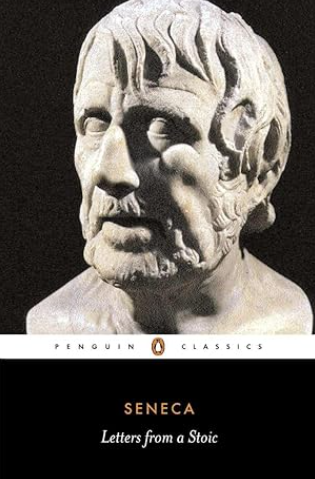
Seneca writes like a brilliant, flawed friend who sees your nonsense, and his own.
He circles the same themes: time, fear, grief, and the absurd waste of a life spent chasing status you don't even want. I read one letter. Underline one line and let him argue with whatever anxiety is currently running my operating system.
10) Meditations - Marcus Aurelius
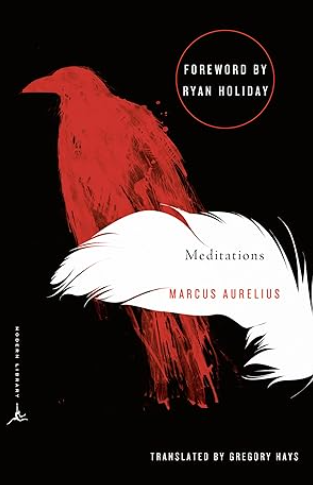
The private journal of the most powerful man in the world, begging himself not to become a monster.
I jump in at random, usually when I'm being pulled in ten directions and starting to believe my own press releases. There is a profound grounding in watching an emperor remind himself to be kind, to stay humble, and to remember that he will die.
What I keep learning from Marcus: Discipline isn't about control. It's about returning. You'll lose the thread. You'll get petty, distracted, grandiose. The work is noticing, and coming back.
What I'm Still Learning
Productivity is a tool, not a destination
The lesson learnt this year is that Productivity is a tool, not a destination.
The systems from 2024 helped. But they plateau. Eventually, you realize you're not just trying to do more. You're trying to be someone.
These books didn't give me any life hacks. They gave me something better: a longer view of human courage and stupidity, a weird peace about suffering, and a sharper radar for what actually matters.
Don't get me wrong, I'm not done with productivity . I still use systems. I still track things. But now they serve something bigger than optimization. They don't just help me do more; they help me think in ways that don't fit in a checkbox.
2024 →faster, 2025 → direction, 2026 → staying there
2024 taught me how to move faster.
2025 is teaching me where I'm trying to go.
And 2026 will be about learning how to stay there.
The source code is still running, I'm just finally reading the comments.
Stay curious, stay kind, and keep reading.